Online marketing glossary
Agency jargon is exhausting. Here we explain the key terms so you can follow them without a marketing degree.
A
A/B test
Two versions (say, two headlines) run side by side — the data decides which performs better. The basis of any serious conversion work.
Ad extensions (assets)
Extra lines under a search ad: location, phone number, individual services, prices. They cost nothing extra, make the ad bigger and lift click-through rate — the most commonly ignored improvement in an account.
Ad Rank
Google’s internal score deciding whether and where your ad appears. Made up of your bid, ad quality and expected click-through rate.
B
Bounce rate
The share of visitors who view one page and leave without any further interaction. High values often point to mismatched traffic or a weak page.
Break-even ROAS
The ROAS at which a campaign exactly covers its ad costs: 100 ÷ margin in percent. At a 25 % margin that is 4. Anything below is a loss — even when the revenue looks healthy.
C
Conversion
The action you want from a visitor: a purchase, an enquiry, a call, a newsletter sign-up. You define what counts as a conversion — and that is what gets optimized for.
Conversion rate
The share of visitors who convert. 100 visitors, 3 enquiries = 3 %. The most powerful lever for turning the same traffic into more revenue.
Conversion tracking
The measurement that tells Google which click became an enquiry. Without it the system optimises for traffic rather than customers — and the report about it still looks good.
Core Web Vitals
Google’s metrics for user experience: load time, interactivity and visual stability. They feed into rankings — and decide whether visitors stay.
CPC (cost per click)
What a single click on your ad costs. More interesting than CPC is almost always CPL — cheap clicks that never enquire are expensive.
CPL (cost per lead)
What one enquiry costs you: ad spend ÷ number of leads. The metric lead campaigns have to be judged on.
CTR (click-through rate)
How often your ad or search result is clicked, measured against how often it was shown. A signal of how relevant your message is to the audience.
D
Demand Gen
Campaign type for YouTube, Discover and Gmail. Creates demand instead of capturing existing demand — worth running only once search demand in your market is exhausted.
F
Funnel
The path from first contact to purchase, pictured as a funnel: many interested people at the top, few buyers at the bottom. Good marketing loses as few as possible at each step.
I
Impressions
How often your ad or page was shown. A reach metric — on its own it says nothing about success.
K
Keyword
The search term someone types into Google. The skill is finding the terms with real buying intent behind them — not just high search volume.
Keyword match types
Sets how closely a search has to match your keyword: exact, phrase or broad. Broad match with no maintained search-term list is the fastest way to lose budget to unrelated queries.
KPI (key performance indicator)
The metric you measure success by. Good KPIs hang off a business goal (enquiries, revenue); bad ones off vanity (followers, impressions).
L
Landing page
A page with exactly one job: answer the visitor’s one question and offer the one action. Sending ads to your homepage is almost always wasted budget.
Lead
Someone who gets in touch or leaves their details — the raw material of any service business.
Local SEO
Visibility in local searches (“hairdresser near me”). The pivot is your Google Business Profile, supported by reviews and a locally anchored website.
O
Organic traffic
Visitors arriving through unpaid search results. It takes time to build, but these visitors cost nothing per click — SEO gets cheaper the longer it runs.
P
Performance Max
Google’s automated campaign format across every channel (Search, Shopping, YouTube, Display). Strong with clean data — risky without control and good tracking.
Q
Quality Score
Google's 1-to-10 rating of how well keyword, ad and landing page fit together. A high score lowers your cost per click at the same position — which is why a well-built account can advertise more cheaply than a bigger budget.
R
Retargeting
Advertising aimed at people who have already visited your website. Usually the cheapest route to conversions — the interest was already there.
ROAS (return on ad spend)
Revenue ÷ ad spend. A ROAS of 4 means every euro spent brings in €4 of revenue. Work it out with our ROAS calculator.
S
SEA (search engine advertising)
Paid advertising in search engines, mainly Google Ads. Visible immediately, precisely controllable, charged per click.
Search campaign
Text ads above the search results, triggered by what someone is typing right now. The most direct campaign type, because the demand already exists — for service businesses, almost always the first channel.
SEO (search engine optimization)
Everything that improves your unpaid visibility on Google: technical work, content and authority. Slower than SEA, but it lasts.
SERP
Search engine result page — Google’s results page. Today a mix of ads, AI answers, maps and classic results.
Shopping ads
Product image, price and shop name directly in the results, driven by the product feed rather than by ad copy. The most important campaign type for online shops — and feed quality matters more than budget.
Smart Bidding
Automated bids Google calculates per auction from conversion data. Only as good as the data underneath: with broken conversion tracking the automation optimises reliably for the wrong thing.
T
Target audience
The people you want to reach — the more precisely defined, the cheaper every campaign. “Everyone” is not a target audience.
U
UTM parameters
Additions to a link that let Analytics recognise where a visitor came from. Mandatory for every campaign. Build them with our UTM builder.
More tools
From our day-to-day
Follow us on Instagram
A look at our work, our projects, practical online marketing tips and what happens behind the scenes — straight from Instagram.
 @wegotitmarketing8 B-Roll Videos to Film 🎬 Hier zijn een paar voorbeelden van b-roll shots die je content een boost geven.✨ Bij We Got It helpen we bedrijven met creatieve content. Zin om samen aan de slag te gaan? DM ons! 💌
 @wegotitmarketingGOOGLE ADS QUICK TUTORIAL 🚀
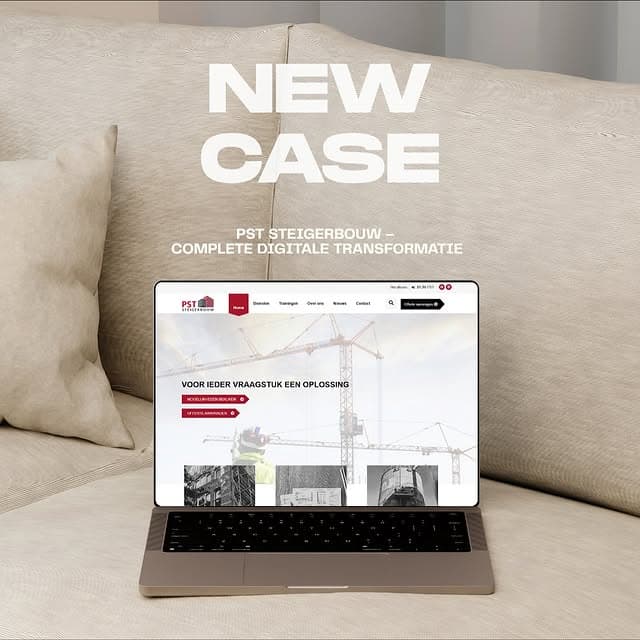 @wegotitmarketingNEW CASE: PST Steigerbouw Van steigers tot websites — samen bouwen we aan groei! 💻🚀
 @brandup.creativeIk heb ze zelf allemaal gemaakt 😅 Maar het mooie is: je kunt er wel iets aan doen. ✨
 @wegotitmarketingBOOST JE REEL! 🤍 6 simpele moves die je reel na het posten een flinke boost geven. ✨
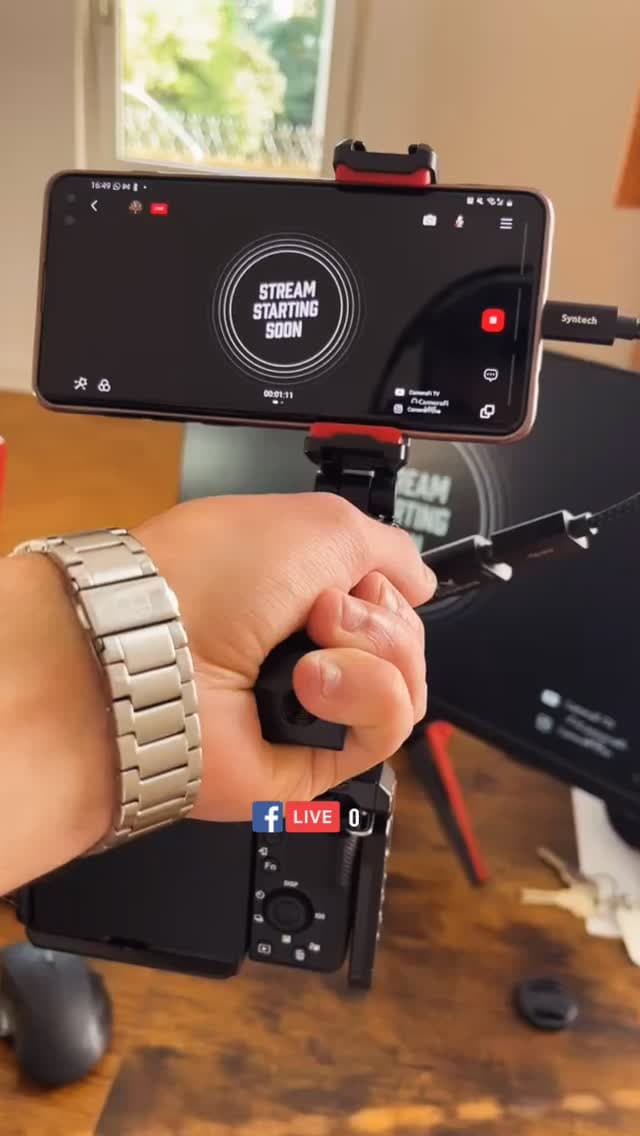 @bekas_iliasGo live like a pro! 🎥✨ Connect your Sony camera to your phone and stream live to YouTube or other platforms.
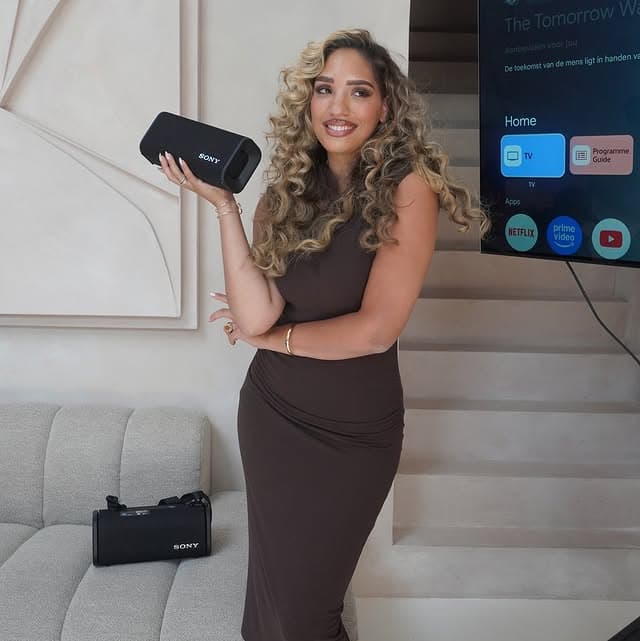 @brandup.creativeUGC X SONY EVENT ✨ Tussen alle camera’s en video-apparatuur viel m’n oog weer op iets wat ik al jaren geweldig vind: hun speakers 🔊 Als zangeres ben ik altijd bewust bezig met geluid, dus goede audio vind ik heel belangrijk. De speakers van Sony zijn al jaren mijn favoriet! Warm, helder en krachtig.
 @brandup.creativeSOCIAL MEDIA UPDATES 🤍 Wist jij al van deze social media updates? Als social media manager is het cruciaal om voorop te blijven. Niet omdat je alles moet volgen maar omdat deze updates je tijd besparen, je bereik vergroten en je contentstrategie versterken.
 @wegotitmarketing📍 Case live: Die Dentalerie – Van offline naar een digitale, professionele praktijk. Voor Zahnarztpraxis Savic in Bad Lauterberg (Duitsland) ontwikkelden we een complete digitale presence. Geen website? Geen probleem. Wij bouwden een moderne, gebruiksvriendelijke site die vertrouwen uitstraalt én converteert – compleet met professionele fotografie en een slimme afspraakmodule.
 @wegotitmarketingWij zijn We Got It Marketing 🚀 Jouw partner in online groei! Benieuwd wat we voor jouw merk kunnen betekenen? 📩 Slide in onze DM en let’s grow together!
 @wegotitmarketingJe volgers tellen niet als ze niets opleveren. 📉 Likes zonder strategie? Dat is zonde van je tijd (en geld).
 @wegotitmarketingJe website is meestal je eerste indruk… Maar is het er eentje die bijblijft?
 @wegotitmarketingLet’s talk Instagram for business. 📲🔥 Instagram is dé plek om je bedrijf zichtbaar te maken, je verhaal te vertellen en nieuwe klanten aan te trekken. Maar… dat kost tijd, strategie en de juiste content.
 @wegotitmarketingSome BTS moments from our content day 🎬👀